
Inherited Land or Acreage in Southern MN? What to Do Next
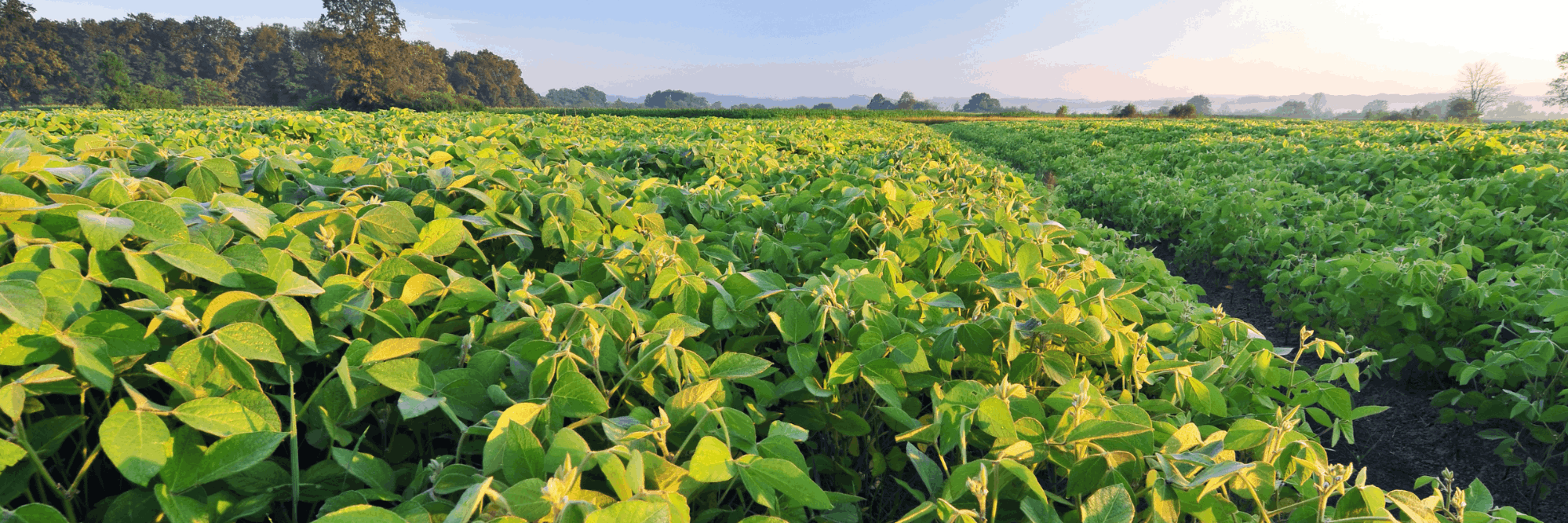
Inheriting land feels different than inheriting a house. There's often no mortgage, no tenants, and no immediate urgency pushing you to act. But there are still important questions to work through: should you keep it or sell it, how much is the land actually worth, are there property taxes to account for, can you build on it, and do all the heirs need to agree before it's sold? If you've inherited farmland, hunting land, vacant acreage, or other rural property in Southern Minnesota, this guide walks through your options clearly.
Quick answer: Start by confirming legal ownership and whether probate is complete, then decide whether to keep, sell, or divide the land based on its value, ongoing costs, and what the heirs want to do. Rural land is valued and sold differently than a house, so a specialized market analysis matters.
The First Step After Inheriting Land
Before making any decisions, confirm who legally owns the property, whether probate is complete, whether multiple heirs are listed, the current property tax status, and whether any leases are already in place, including farm leases or hunting rights. Land ownership needs to be clearly established before a sale can move forward, and a title company or estate attorney can confirm exactly what documentation you'll need.
Keeping the Land vs. Selling It
This decision usually comes down to emotional attachment, long-term financial goals, tax implications, carrying costs, and future development potential. Keeping the land may make sense if it generates rental income, is leased to farmers, you plan to build on it eventually, or preserving a family legacy matters to you. Selling may make more sense if property taxes are rising, no one plans to use it, the maintenance has become a burden, multiple heirs want liquidity, or you'd rather reinvest elsewhere. Land often holds real emotional value, but the decision should weigh the financial side too.
What Determines Inherited Land's Value
Rural land value depends on location, road access, zoning, soil quality for farmland, utility access, development potential, acreage size, and comparable recent land sales in the area. Rural land pricing works differently than residential home valuation, and vacant acreage generally needs a more specialized market analysis to price accurately. BOOM's farmland and acreage services page can help you get an accurate read on rural land value specifically.
Ongoing Costs to Expect
Even vacant land comes with carrying costs. Property taxes, liability insurance, maintenance like brush clearing and fencing, well or septic upkeep if the property has either, and access road maintenance can all add up. Ignoring these costs while you decide what to do with the land can create real financial strain over time.
Heir Agreement and Selling Inherited Land
If multiple heirs inherited the property, they typically all need to agree before it's sold. Options include selling and dividing the proceeds, having one heir buy out the others, creating a shared ownership agreement, or, if an agreement can't be reached, pursuing a partition action. Getting agreements in writing early on goes a long way toward preventing conflict later.
Building on Inherited Land
Before assuming development is possible, confirm the zoning classification, minimum lot size requirements, septic feasibility, well access, setback rules, easements, and any wetland restrictions that might apply. Rural property often comes with build limitations that aren't obvious at first glance, so it's worth consulting the local planning department before making any plans.
When the Land Is Already Leased
Many properties in Southern Minnesota are cash rented for farming, sharecropped, or used for seasonal hunting. These leases may renew automatically, require a notice period before ending, or otherwise impact your timeline for selling. Understanding the lease terms protects both the heirs and any future buyer.
Selling As-Is vs. Making Improvements First
Most land sells as-is, but its value can increase with clearing overgrowth, confirming the survey, updating boundary markers, running soil tests, or improving access. Whether those improvements are worth the investment usually comes down to a straightforward cost-benefit comparison.
Frequently Asked Questions
Is inherited land taxable in Minnesota?
Estate and capital gains tax implications vary, so a tax professional should review your specific situation.
How long does it take to sell rural land?
Land often takes longer to sell than homes do, since the buyer pool is smaller.
Is farmland valued differently than recreational land?
Yes. Agricultural productivity and soil ratings play a major role in farmland value.
Can one heir force a sale?
Potentially, through legal action, but negotiation is usually the better path.
A Strategic Approach Protects Family Wealth
Inherited land can represent family legacy, financial opportunity, emotional connection, and investment potential, often all at once. Before deciding what to do with it, it helps to get legal clarity, understand the market valuation, account for carrying costs, communicate openly with other heirs, and think through your long-term financial goals. Families across Mankato, North Mankato, St. Peter, New Ulm, Waseca, and the surrounding Southern Minnesota communities are often better served by a structured evaluation before deciding whether to hold or sell inherited acreage.
Related Reading
Categories
Recent Posts





Leave a Reply

Agent